How do you create a harmonious lighting plan?
A good lighting plan consists of three types of lighting, namely: basic lighting, decorative lighting and accent lighting.
Basic Lighting
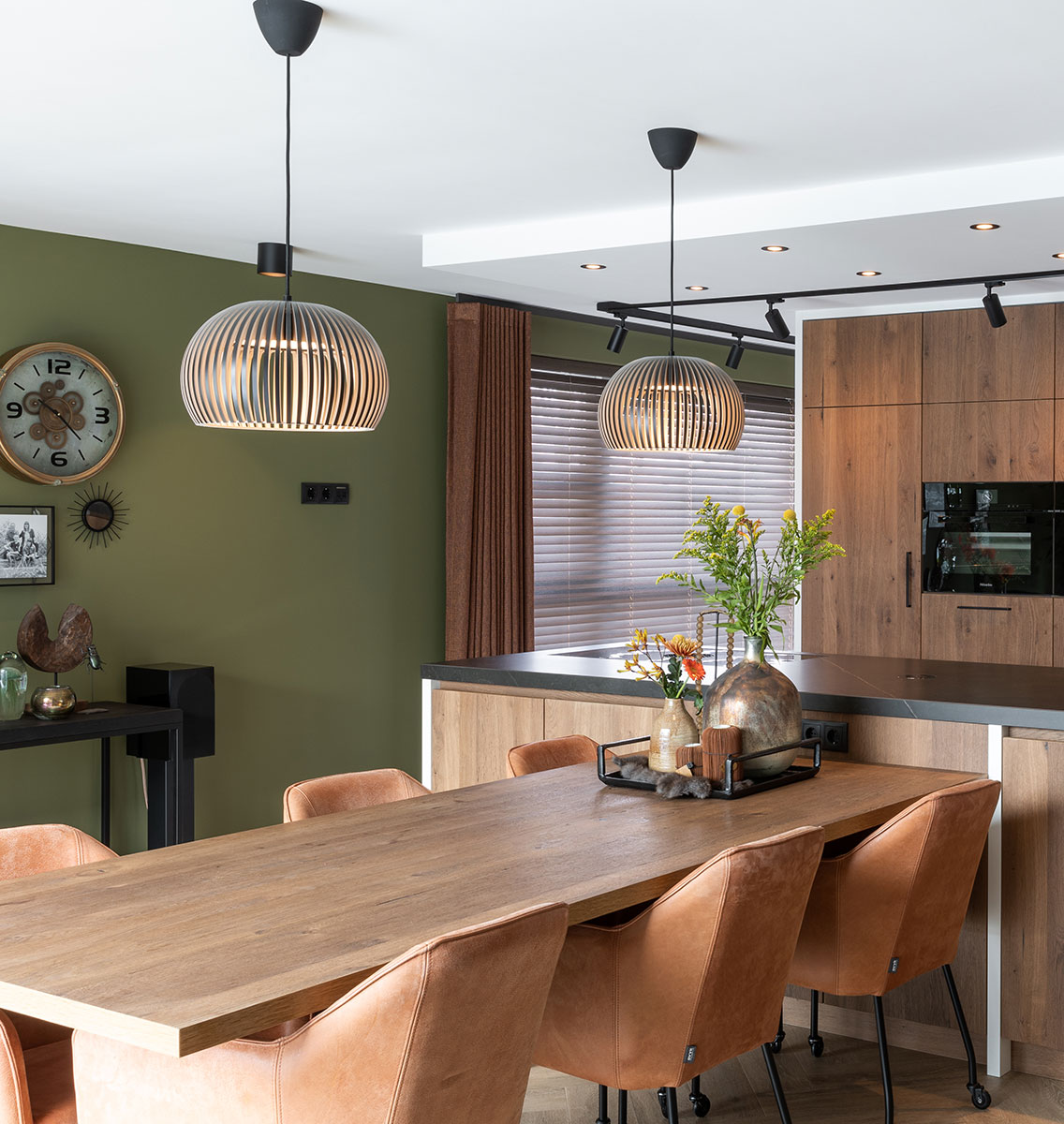
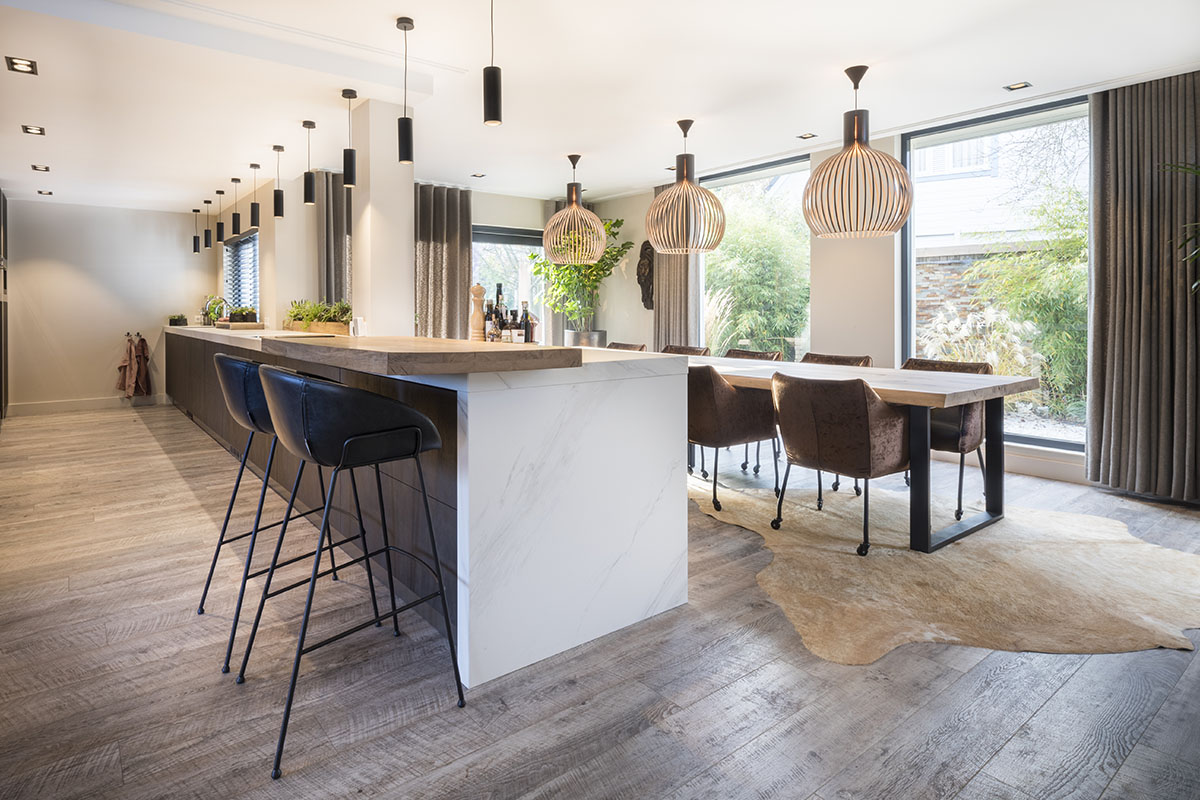
Designing a lighting plan begins with choosing the basic lighting for your home. This lighting forms the foundation of the home and is essential. Without this basic lighting, you cannot function properly. Examples of this type of lighting include ceiling lights, ceiling spotlights, and lights above the dining room table. It is the lighting that allows you to illuminate a space directly. You determine the right lighting based on the size of the room. If you need to provide basic lighting for a small room, a ceiling light is sufficient. If the room is a bit larger, ceiling spotlights are often used.
Decorative Lighting
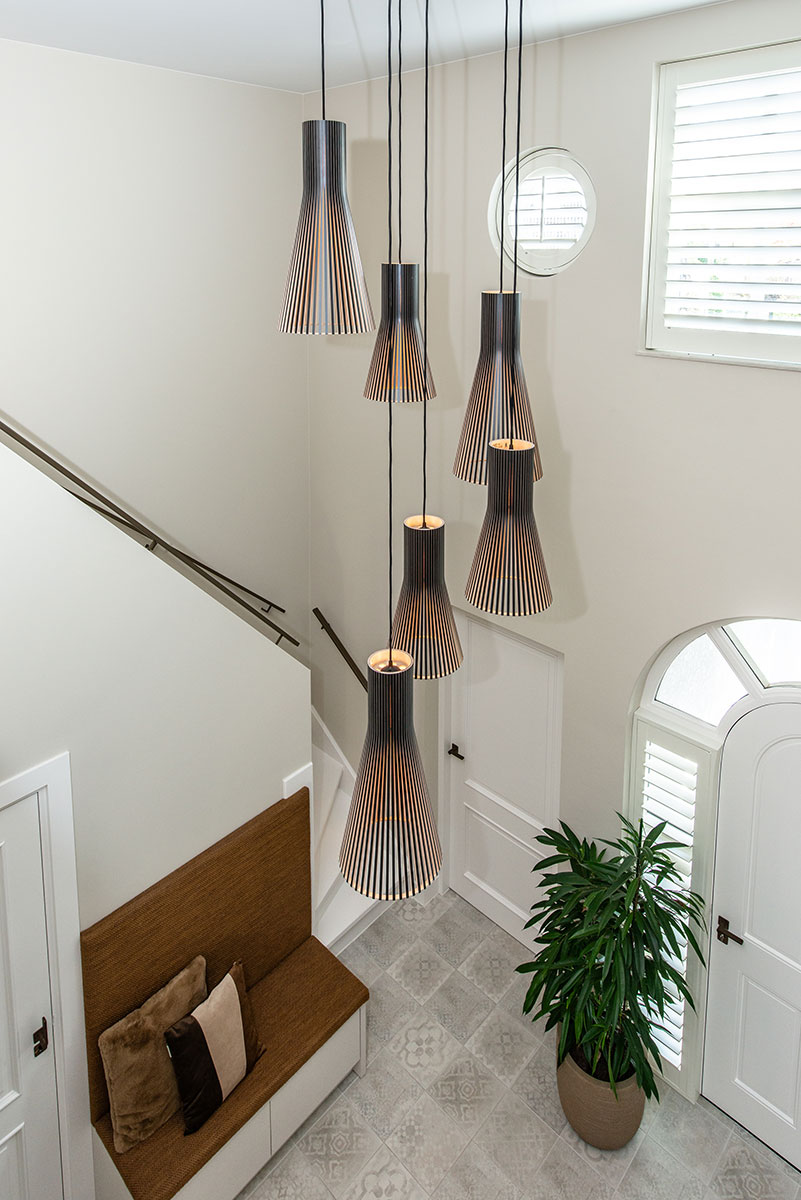
After the basic lighting comes the decorative lighting. This is lighting that can create a specific atmosphere in a room. If your home has a modern, minimalist style, ceiling spotlights can enhance that atmosphere. Would you rather create a cozy look instead of a modern one? Then candlelight combined with dimmed wall sconces is a good solution. The fixtures themselves are also important for setting the right mood. Look for a family of light fixtures—fixtures that complement each other well but aren’t exactly the same. This approach creates a unique and cohesive lighting plan.
Accent Lighting
The name says it all: lighting designed to create an accent. Accent lighting can draw just that little bit of extra attention to certain elements in a living space, such as unique works of art or sculptures.